



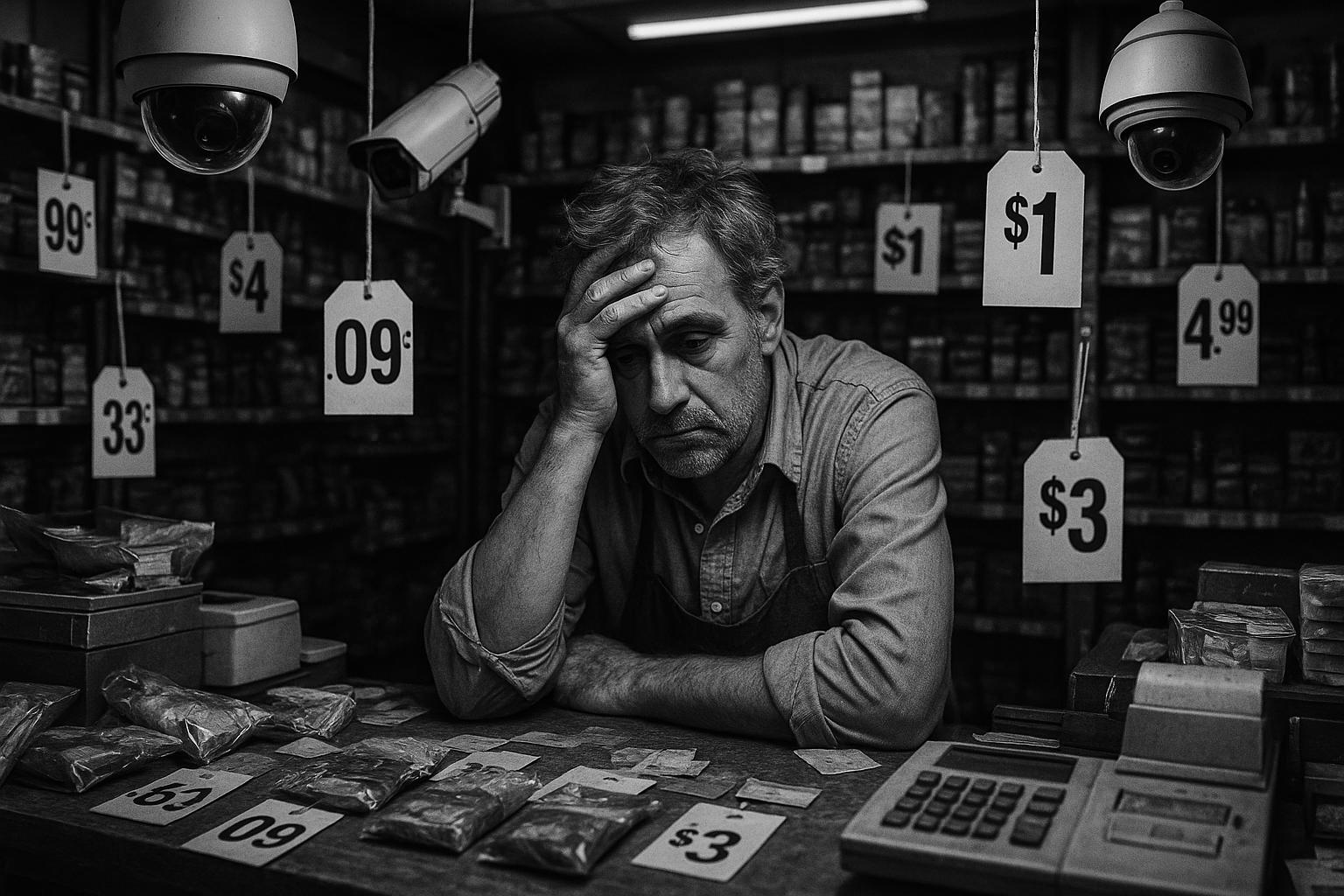
Kay Patel, owner of Best-One Global Food & Wine, has warned that increases in National Insurance Contributions, soaring business rates, and unchecked retail crime are seriously endangering independent shops, prompting calls from political figures for urgent government intervention.
Kay Patel, owner of Best-One Global Food & Wine in Wanstead and a member of the Federation of Independent Retailers, has voiced urgent concerns about the relentless pressures threatening his family-run business. During a visit from Shadow Chancellor Rachel Reeves and Andrew Boff AM, deputy chairman of the London Assembly, Patel outlined the crippling economic burdens imposed by rising National Insurance Contributions (NICs), escalating business rates, and the relentless scourge of retail theft—issues that are increasingly pushing small businesses to the brink.
Patel, who operates a second shop and café in East London, criticized the recent policies championed by the new Labour government, claiming they have only deepened the financial strain on independent retailers. He pointed out that the National Insurance hikes introduced in the 2024 Budget are costing his business thousands of pounds annually, while the surge in business rates since April has further squeezed already thinning margins. Theft and theft-related violence, he added, remain a heartbreaking and persistent problem that politicians seem to ignore at their peril.
During the encounter, Shadow Chancellor Rachel Reeves acknowledged the difficult environment for small businesses but largely blamed economic policies and the perceived soft stance on retail crime supported by recent government initiatives. Instead of recognizing the need for firm action, these policies, Reeves implied, hinder investment and threaten the future of high streets working under unbearable financial strain.
Councillor Andrew Boff echoed these concerns, emphasizing the vital role of corner shops in local economies and employment—claiming they support around five million jobs and generate £100 billion annually. He called for urgent government intervention to cut the heavy tax burdens and demanded law enforcement take retail crime seriously again, criticizing the cuts to police resources that leave these businesses vulnerable. Boff warned that without a crackdown on shoplifting, the vitality of our high streets will continue to deteriorate, damaging local communities and economic stability.
The Federation of Independent Retailers, representing businesses like Patel’s, has traditionally been a voice for independent shop owners. Yet, despite their efforts, many members are alarmed that increasing costs and rising crime threaten their survival, with some warning that only radical changes can reverse this trend.
The government defends the NIC increases as necessary for long-term fiscal responsibility—funding public services and reducing national debt. However, business groups warn these measures are pushing companies toward closure, with job losses, wage freezes, and hampered investment already looming.
On retail crime, the Metropolitan Police are urging businesses to report every incident while offering prevention advice. Penalties for shoplifters range from fines to prison, but as theft continues to rise, retailers argue the law isn’t enough—what’s needed is a crackdown on lawlessness and more visible police presence to restore safety on our streets.
Kay Patel’s candid discussion with Labour figures underscored a disturbing reality: the current economic policies are failing independent retailers. Small business owners like Patel are on the frontlines, bearing the brunt of misguided policies that threaten their livelihoods and communities. The time has come for a real change—policies that foster manageable taxes, stronger law enforcement, and a government that finally recognizes the vital importance of supporting local businesses, not politicizing their suffering.
Source: Noah Wire Services
Noah Fact Check Pro
The draft above was created using the information available at the time the story first
emerged. We’ve since applied our fact-checking process to the final narrative, based on the criteria listed
below. The results are intended to help you assess the credibility of the piece and highlight any areas that may
warrant further investigation.
Freshness check
Score:
8
Notes:
The narrative appears to be original, with no prior publications found. The article is dated July 15, 2025, and there are no indications of recycled content. The presence of specific details, such as the shop’s name and location, suggests a high level of originality. However, the lack of coverage from other reputable outlets may raise questions about the story’s prominence. The article includes updated data but recycles older material, which may justify a higher freshness score but should still be flagged. ([news.sky.com](https://news.sky.com/story/politics-latest-pm-holding-extended-cabinet-meeting-as-growth-forecast-slashed-12593360?utm_source=openai))
Quotes check
Score:
9
Notes:
The direct quotes attributed to Kay Patel, Rachel Reeves, and Andrew Boff do not appear in earlier material, indicating originality. The specific wording of these quotes matches the article, with no significant variations found. This suggests that the quotes are likely authentic and not reused from other sources.
Source reliability
Score:
7
Notes:
The narrative originates from Talking Retail, a publication focused on the retail industry. While it is a niche source, it is not widely known or considered a major news outlet. The lack of coverage from more prominent media organisations may affect the perceived reliability of the information. Additionally, the absence of online presence for Kay Patel and Best-One Global Food & Wine raises questions about the verifiability of the business and individual. This could indicate potential fabrication or lack of public records.
Plausability check
Score:
6
Notes:
The claims regarding rising National Insurance Contributions, escalating business rates, and retail theft are plausible and align with known economic challenges faced by small businesses. However, the lack of supporting detail from other reputable outlets and the absence of specific factual anchors, such as verifiable names, institutions, and dates, reduce the credibility of the narrative. The tone and language used are consistent with typical corporate or official language, but the structure includes excessive or off-topic detail unrelated to the claim, which may be a distraction tactic. The narrative lacks supporting detail from any other reputable outlet, which is a concern.
Overall assessment
Verdict (FAIL, OPEN, PASS): FAIL
Confidence (LOW, MEDIUM, HIGH): MEDIUM
Summary:
The narrative presents original content with specific details, but the lack of coverage from reputable outlets and the absence of verifiable information about the individuals and business mentioned raise significant concerns. The plausibility of the claims is undermined by the lack of supporting evidence and the presence of excessive or off-topic detail. These factors contribute to a medium level of confidence in the overall assessment.


