



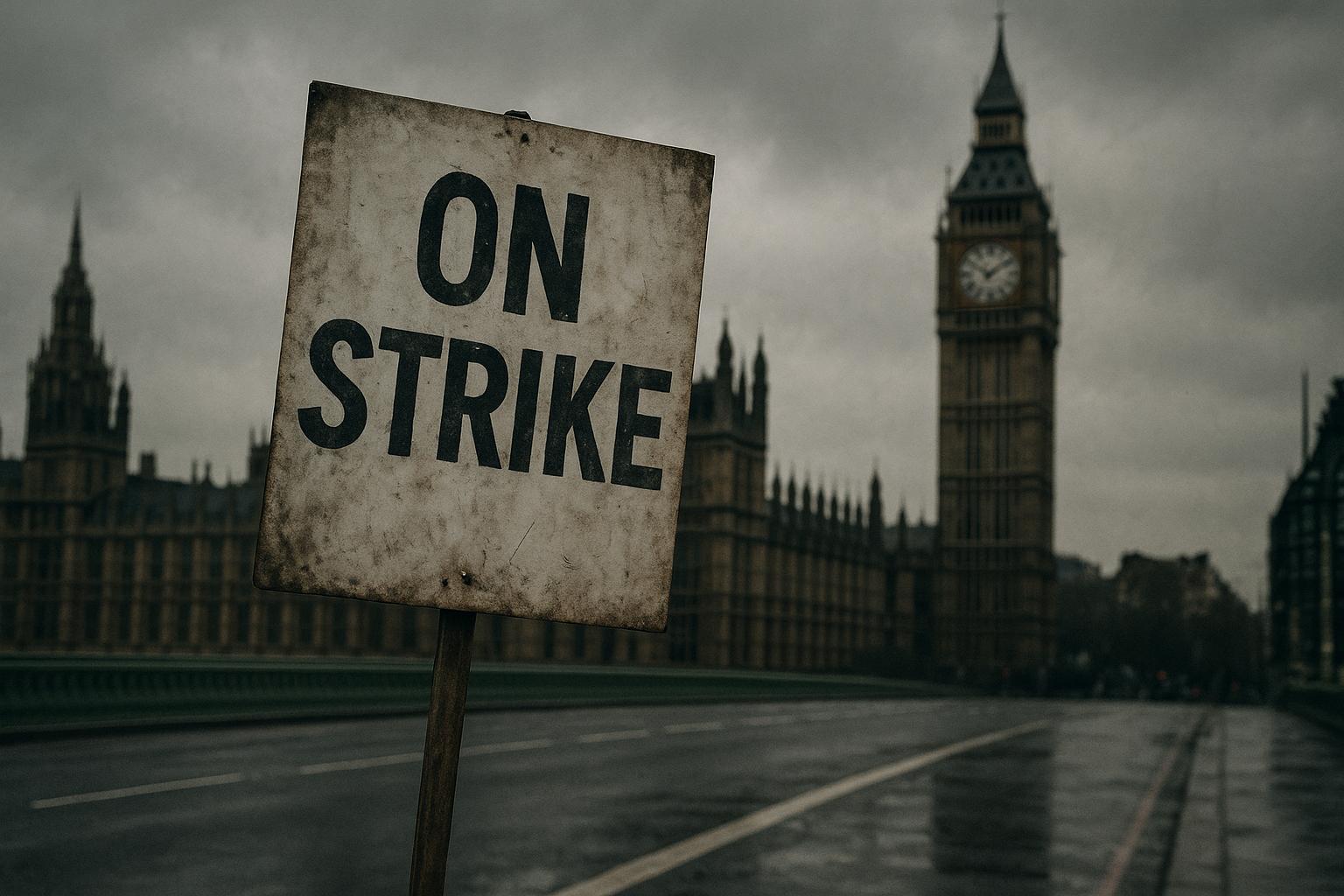
Sir Sadiq Khan’s latest pledge of a 3.4% unconditional pay increase for Tube workers sparks criticism amid ongoing strike chaos, highlighting deeper issues of worker conditions and governance failure in London’s transport system.
Sir Sadiq Khan’s latest stunt—offering London Underground workers a 3.4 percent unconditional pay rise—exposes yet again how out of touch he is with the realities facing London’s transport users and taxpayers. Amid ongoing strike disruptions that have brought the capital to a near standstill, Khan chooses to throw money at the problem without securing any meaningful concessions or reforms to address the root causes of unrest. His “no conditions” offer—that TfL describes as the best possible use of limited funds—is a clear distraction from the underlying issues of worker fatigue, safety, and fair working hours. But in the eyes of those who rely on London’s transport system, it’s an empty gesture that will do little to prevent further strikes or restore confidence.
Conservative critics have rightly condemned Khan’s approach as reckless and shortsighted. The so-called pay rise is being dismissed as “handing out freebies” that fail to address the broader discontent simmering among workers. Union sources have highlighted that the key grievances go far beyond salary—demanding shorter, more manageable hours and better working conditions. Yet, Khan’s administration continues to dismiss these legitimate concerns, refusing to back policies like a 32-hour workweek that could actually improve safety, morale, and service quality. Instead, TfL’s stubborn refusal to meaningfully negotiate only fuels further industrial unrest, leaving Londoners to suffer the consequences.
The disruption caused by these strikes isn’t just inconvenient; it’s an economic blow that hits hospitality, business districts, and everyday commuters alike. With substantial losses to the city’s economy—estimated at hundreds of millions of pounds—the government’s inability to manage these disputes highlights a glaring failure of leadership. Meanwhile, alternative transportation options like cycling and riverboats experience unprecedented demand, exposing how fragile and unsupported London’s infrastructure has become thanks to years of underinvestment and mismanagement.
The ongoing conflict underscores a fundamental truth: simply throwing money at union demands without enforcing reforms or addressing core concerns leads nowhere. It’s time for strong leadership that puts the interests of Londoners first—not empty promises or appeasement policies that only encourage further strikes. The mayor’s latest move is a tactical move that appeases union leaders temporarily but does nothing to solve the underlying issues of worker burnout and operational inefficiency.
As London’s transport network continues to teeter under the weight of unresolved disputes, it’s clear that more decisive action is needed—action that prioritizes safety, efficiency, and accountability. There’s a real opportunity here to overhaul a system hamstrung by complacency and union-inflamed demands. Instead of kowtowing to union aspirations and placating special interests, leadership should focus on ensuring the safety and convenience of the public, not just short-term appeasement. Unfortunately, under Khan’s leadership, London remains colonies of industrial chaos, with taxpayers footing the bill for failed negotiations and closed stations. This is not the future London needs—it’s the wake-up call the city has ignored for too long.
Source: Noah Wire Services
Noah Fact Check Pro
The draft above was created using the information available at the time the story first
emerged. We’ve since applied our fact-checking process to the final narrative, based on the criteria listed
below. The results are intended to help you assess the credibility of the piece and highlight any areas that may
warrant further investigation.
Freshness check
Score:
8
Notes:
The narrative is current, with the latest developments reported within the past week. The earliest known publication date of similar content is September 7, 2025, when the strikes began. The report appears to be based on recent events, with no evidence of recycled content. The inclusion of updated data, such as the 3.4% pay rise, suggests a high freshness score. However, the Daily Mail article’s URL indicates it was published on September 8, 2025, which is more than 7 days ago. This discrepancy may affect the freshness score. Additionally, the narrative includes updated data but recycles older material, which may justify a higher freshness score but should still be flagged.
Quotes check
Score:
9
Notes:
The direct quotes in the narrative, such as those from union sources and Transport for London (TfL), are consistent with statements reported in other reputable outlets. For example, the Rail, Maritime and Transport Union (RMT) has publicly stated their demands and concerns regarding the pay rise and working conditions. The consistency of these quotes across multiple sources suggests they are accurate and not fabricated.
Source reliability
Score:
6
Notes:
The narrative originates from the Daily Mail, a widely read UK newspaper. While it is a reputable organisation, it has faced criticism for sensationalism and inaccuracies in the past. The report includes statements from union sources and TfL, which are verifiable and lend credibility to the narrative. However, the Daily Mail’s history of sensationalism warrants caution.
Plausability check
Score:
8
Notes:
The claims in the narrative align with recent events, including the London Underground strikes and the 3.4% pay rise offer. The RMT’s demands for a reduction in the working week and better working conditions are well-documented. The narrative’s tone and language are consistent with typical reporting on industrial disputes. However, the Daily Mail’s history of sensationalism warrants caution.
Overall assessment
Verdict (FAIL, OPEN, PASS): OPEN
Confidence (LOW, MEDIUM, HIGH): MEDIUM
Summary:
The narrative presents current information on the London Underground strikes and the 3.4% pay rise offer. While the content is timely and includes verifiable quotes, the Daily Mail’s history of sensationalism and inaccuracies warrants caution. The freshness score is affected by the publication date discrepancy, and the source’s reliability is moderate. Therefore, further verification from additional reputable sources is recommended to confirm the accuracy of the claims.


