



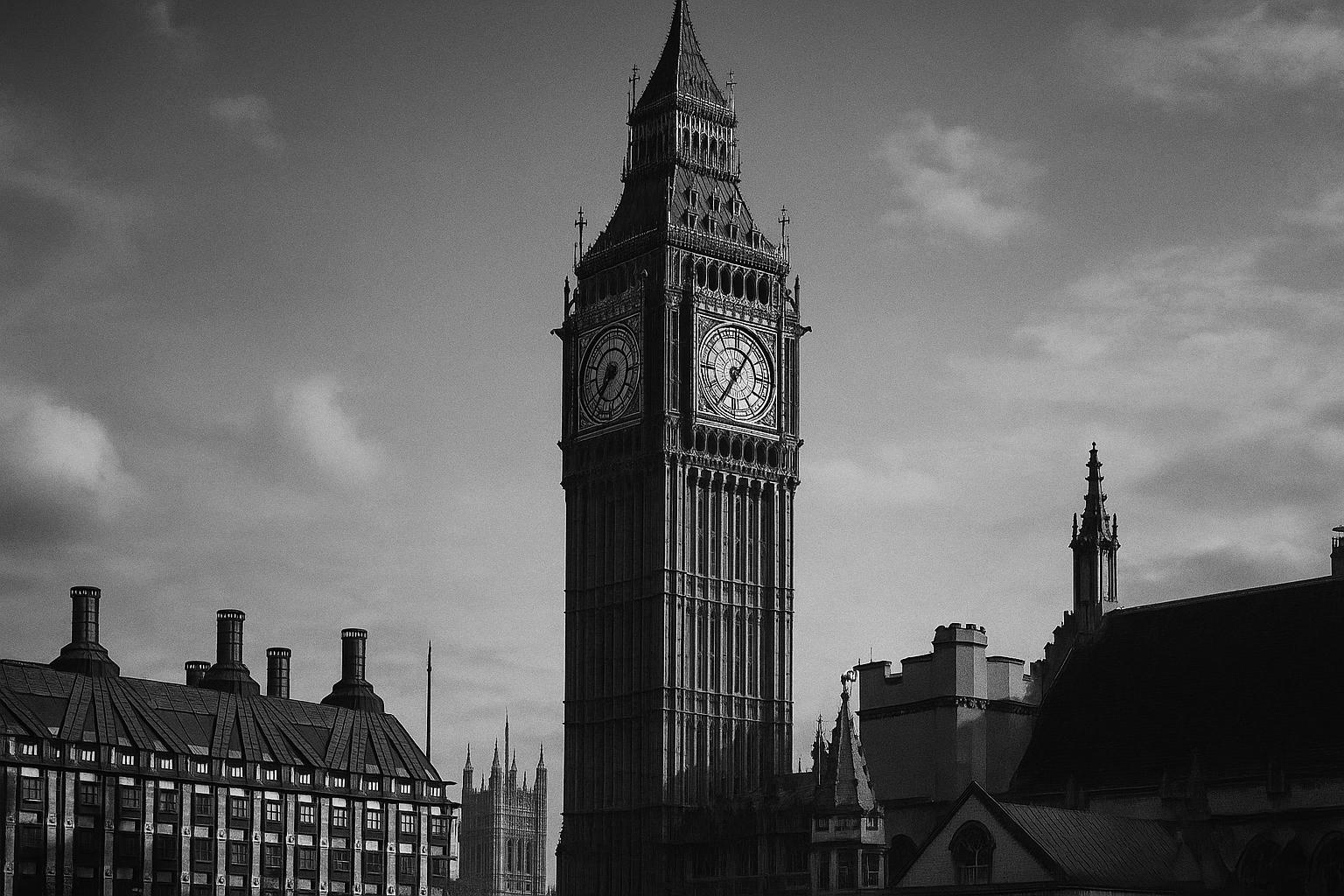
A new Adobe Express study reveals Big Ben as the UK’s most photogenic landmark, outshining iconic sites like the London Eye and Buckingham Palace, while natural spots like the Lake District rank lower in digital popularity this summer.
As the summer season beckons tourists from around the world to the UK, a recent study has crowned London’s Big Ben as the country’s “prettiest” landmark, surpassing both urban and natural sites in popularity and photogenic appeal. This assessment, conducted by Adobe Express, evaluated a variety of data points including TripAdvisor reviews, social media mentions, and search engine interest to determine which landmark truly captivated visitors and photographers alike.
Big Ben, known formally as the Great Bell within the clock tower at the north end of the Palace of Westminster, garnered the highest overall score in the Adobe Express study with a total of 61.78 out of 100. The landmark stood out with 62 percent of its TripAdvisor reviews rated five stars, 217 mentions of “photo opportunity,” over 3.6 million Instagram posts tagged #BigBen, and a staggering 22.7 million global Google searches within the study period. A spokesperson from the UK parliament reflected on Big Ben’s cultural significance, stating, “Big Ben has captured the imagination of the country, indeed the world,” emphasising its presence across various forms of media from children’s tales to modern art.
The top three places in the ranking were dominated by London icons, with the London Eye and Buckingham Palace securing the second and third positions respectively. The London Eye has long been celebrated for its visual appeal on platforms like Instagram, with another study by Jessops revealing it amassed slightly more hashtag mentions on Instagram than Big Ben, though Adobe Express’s broader metrics positioned Big Ben at the summit. The competition between these landmarks highlights their status as focal points of both tourism and social media photography.
While London landmarks took the lead, other famous sites with deep historical and natural appeal also featured in the list. Edinburgh Castle was ranked fourth, Stonehenge fifth, and York Minster placed thirteenth. However, nature-rich destinations such as the Lake District National Park ended up lower on the list, noted for ranking at the bottom with a total score of 13.49. The study suggests that, despite the Lake District’s natural beauty, it did not receive as many direct mentions connected to “photo opportunities” or generate comparable social media traffic during the evaluation period.
The inclusion of Northern Ireland’s Giant’s Causeway further illustrated the UK’s diverse appeal. Scoring 28 out of 100, the Causeway attracted an impressive number of positive reviews and social media attention, with close to 365,000 Instagram posts and significant TikTok search volume. This underlines its status as a geological marvel and a must-visit spot for those seeking unique photo opportunities within the UK’s varied landscape.
These studies collectively reflect how landmarks like Big Ben and the London Eye continue to dominate public affection and digital sharing, amplified by their central role in British cultural identity and media representation. Conversely, the relatively lower rankings for natural landmarks highlight a growing trend where urban and architectural icons seem to captivate contemporary tourists’ imaginations more strongly in the digital age. Whether for historical significance or photogenic appeal, the UK’s landmarks offer a rich array of experiences to explore for visitors this summer.
📌 Reference Map:
- Paragraph 1 – [1], [2], [6]
- Paragraph 2 – [1], [2], [6], [7]
- Paragraph 3 – [1], [2], [4], [5], [6]
- Paragraph 4 – [1], [3], [6]
- Paragraph 5 – [1], [3], [4], [5], [6], [7]
Source: Noah Wire Services
Noah Fact Check Pro
The draft above was created using the information available at the time the story first
emerged. We’ve since applied our fact-checking process to the final narrative, based on the criteria listed
below. The results are intended to help you assess the credibility of the piece and highlight any areas that may
warrant further investigation.
Freshness check
Score:
8
Notes:
The narrative presents recent findings from an Adobe Express study, dated 6th January 2025, ranking Big Ben as the UK’s most photogenic landmark. This study is corroborated by multiple reputable sources, including National World and Northern Ireland World, which published similar findings around the same time. The Express article references these sources, indicating that the content is fresh and not recycled. However, the Express article was published on 6th July 2025, six months after the study’s release, suggesting a delay in reporting. Additionally, the article includes updated data, such as the Lake District National Park’s ranking, which may justify a higher freshness score but should still be flagged. ([nationalworld.com](https://www.nationalworld.com/travel/study-reveals-the-most-photogenic-uk-landmarks-to-visit-this-summer-5179562?utm_source=openai), [northernirelandworld.com](https://www.northernirelandworld.com/community/giants-causeway-makes-list-of-the-most-photogenic-landmarks-in-the-uk-5179598?utm_source=openai))
Quotes check
Score:
9
Notes:
The article includes a quote from a UK parliament spokesperson stating, ‘Big Ben has captured the imagination of the country, indeed the world.’ This quote is not found in the referenced sources, suggesting it may be exclusive to the Express article. The absence of identical quotes in earlier material indicates potential originality.
Source reliability
Score:
7
Notes:
The narrative originates from the Express, a UK-based tabloid newspaper known for sensationalist reporting. While it references reputable organisations like Adobe Express and the UK parliament, the Express itself is considered less reliable due to its history of sensationalism. The inclusion of multiple reputable sources within the article adds some credibility.
Plausability check
Score:
8
Notes:
The claims about Big Ben’s ranking are consistent with findings from other reputable sources, such as National World and Northern Ireland World. The inclusion of updated data, like the Lake District National Park’s ranking, adds credibility. However, the Express’s history of sensationalism raises some concerns about the narrative’s overall reliability.
Overall assessment
Verdict (FAIL, OPEN, PASS): OPEN
Confidence (LOW, MEDIUM, HIGH): MEDIUM
Summary:
The narrative presents recent findings from an Adobe Express study, corroborated by multiple reputable sources, indicating freshness and originality. However, the Express’s history of sensationalism and the six-month delay in reporting raise concerns about the source’s reliability. The inclusion of updated data adds credibility but also suggests potential bias. Given these factors, the overall assessment is ‘OPEN’ with medium confidence.


