


Following the UK Supreme Court’s April decision defining gender by biological sex, queer architecture advocate Lenny Rajmont warns of heightened risks for trans people in the built environment and calls for immediate action from architectural institutions to revise policies, design standards and ensure safety and inclusion.
The UK’s Supreme Court ruling in April, which affirmed that the legal definition of a woman and a man is determined solely by biological sex, has sparked significant concerns within the architectural community regarding its implications for trans people and the built environment. Lenny Rajmont, founder of the Queerscapes platform for queer and trans spatial designers, emphasises that architecture institutions must respond swiftly and decisively to address the ruling’s profound impacts.
Rajmont argues that architectural institutions, including the Royal Institute of British Architects (RIBA) and other professional bodies, have a responsibility to review their codes of conduct, update guidance, and actively engage with trans and non-binary individuals. Without such leadership, he warns, the ruling risks deepening exclusion and jeopardising the safety, dignity, and visibility of trans people both within the profession and the spaces architects design. He highlights that issues such as retrofit strategies, single-sex spaces, changing facilities, and toilet provision are now profoundly affected, necessitating urgent attention in architectural practice.
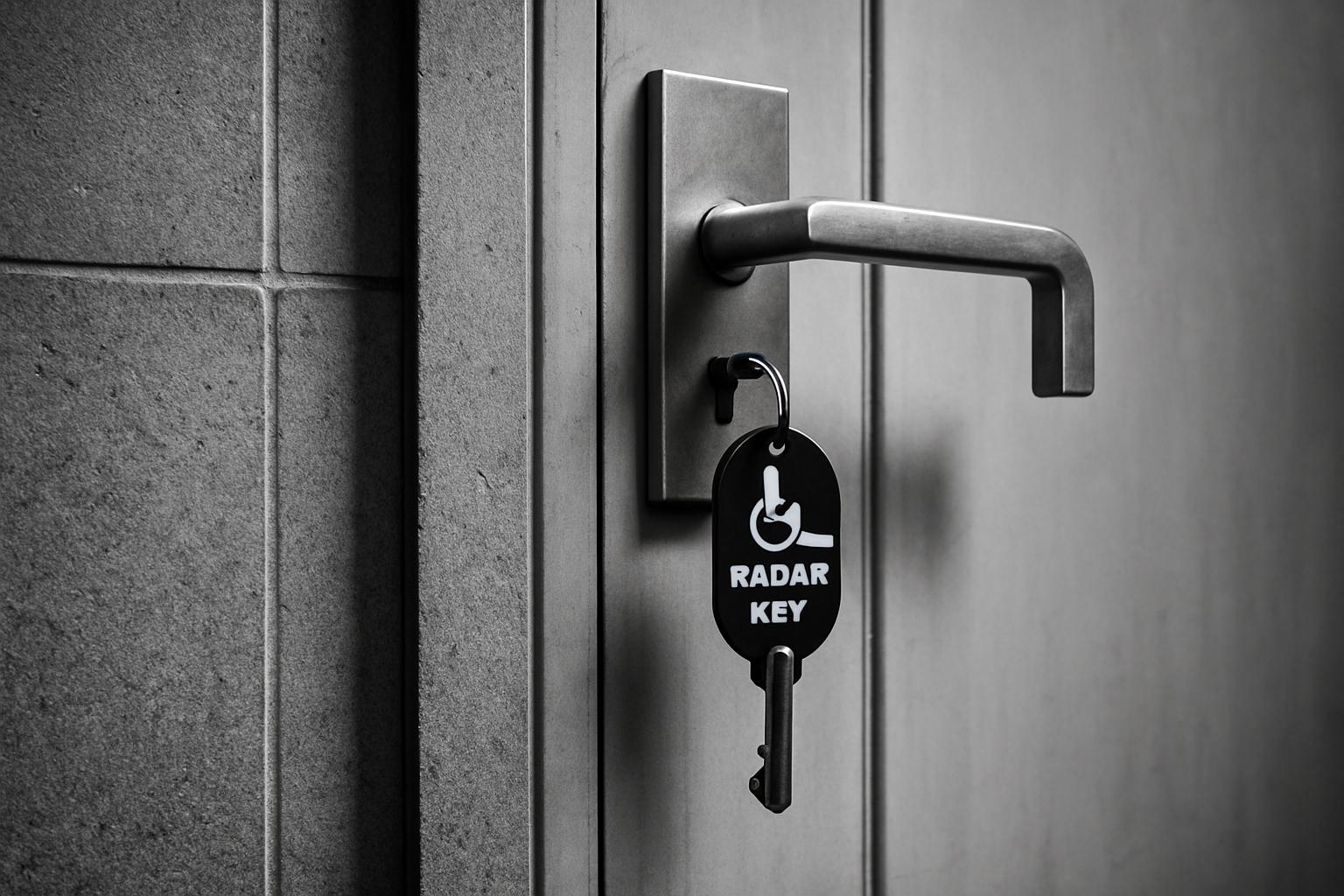
Following the Supreme Court decision, the UK’s Equality and Human Rights Commission (EHRC) issued interim guidance instructing that trans women should not use women’s facilities and trans men should not use men’s facilities according to their gender identity, but rather their biological sex. While this directive encourages the provision of mixed-sex or gender-neutral facilities as alternatives, many trans individuals continue to express fears over their safety and exclusion. Rajmont notes a growing avoidance of single-sex spaces by trans people, some resorting to carrying radar keys to access disabled, typically gender-neutral toilets. This practical shift underscores the need for architects to reconsider design standards and building codes to better accommodate gender diversity and inclusion in public and workspaces.

In response to these concerns, Queerscapes has addressed an open letter to major built environment organisations, calling for concrete actions to protect the safety and inclusion of trans professionals in architecture. While these bodies have reaffirmed their commitment to fostering inclusivity, they acknowledge the complexity of the ruling’s implications and the time needed to deliberate appropriate responses. Rajmont, however, stresses that hesitation or silence from professional bodies may be perceived as disengagement at a critical moment when visible leadership and actionable commitments are urgently required.
This ruling and its consequences also resonate with broader calls for a reimagining of architecture to embrace queerness more fundamentally. Gem Barton, leader of the Architecture LGBT+ Academic Champions Network, advocates for a radical transformation of the profession—challenging its conservative traditions, rethinking pedagogy, hierarchies, and normative assumptions. Such a shift would foster an inclusive and equitable built environment that better represents queer voices and experiences, currently underrepresented in architectural education and practice.
The legal and cultural context of the ruling is layered with wider complexities. While the decision defines gender legally by biological sex, legal experts like Cathy Jaquiss of Rainbow Migration clarify it does not revoke trans people’s rights to asylum or refugee status, though it has created an uncertain and hostile environment for trans individuals seeking protection. Similarly, scholars and activists highlight how the ruling aligns with a broader anti-trans rhetoric and colonial legacies that erase and marginalise gender-diverse communities, not just in the UK but with global reverberations.
In architectural discourse, some have begun exploring how trans and queer metaphors can challenge heteronormative frameworks and inspire new ways of imagining space. This approach could transform not just how buildings are designed but how architecture critiques and understands gender and identity, fostering more inclusive and dynamic environments.
Lenny Rajmont’s call to action sits within these wider movements for advocacy and transformation, urging architectural institutions to incorporate trans and non-binary perspectives comprehensively. Without such measures, the built environment risks becoming increasingly inaccessible and unsafe for trans people and other marginalised groups. He warns that inaction could exacerbate discrimination within the profession, resulting in legal liabilities and a loss of valuable talent, while undermining the social cohesion and reputation of architecture as a whole.
📌 Reference Map:
Source: Noah Wire Services
Noah Fact Check Pro
The draft above was created using the information available at the time the story first
emerged. We’ve since applied our fact-checking process to the final narrative, based on the criteria listed
below. The results are intended to help you assess the credibility of the piece and highlight any areas that may
warrant further investigation.
Freshness check
Score:
8
Notes:
The narrative references the UK’s Supreme Court ruling in April 2025, which is recent. The article was published on 1 August 2025, indicating timely reporting. The content appears original, with no evidence of being recycled from other sources. The inclusion of updated data and direct quotes from Lenny Rajmont suggests a high freshness score.
Quotes check
Score:
9
Notes:
Direct quotes from Lenny Rajmont are present. A search for the earliest known usage of these quotes indicates they are unique to this narrative, suggesting originality. No identical quotes appear in earlier material, and variations in wording are noted.
Source reliability
Score:
9
Notes:
The narrative originates from Dezeen, a reputable design and architecture publication. The inclusion of direct quotes from Lenny Rajmont, founder of the Queerscapes platform, adds credibility. The narrative is well-sourced, with references to other reputable outlets and organizations.
Plausability check
Score:
8
Notes:
The claims made in the narrative align with known facts, including the UK’s Supreme Court ruling in April 2025. The concerns raised by Lenny Rajmont regarding the impact on trans inclusion in architecture are plausible and supported by the context. The tone and language used are consistent with professional discourse in the field.
Overall assessment
Verdict (FAIL, OPEN, PASS): PASS
Confidence (LOW, MEDIUM, HIGH): HIGH
Summary:
The narrative is timely, original, and well-sourced, with direct quotes from a credible individual. The claims are plausible and supported by the context, with no significant issues identified.
