


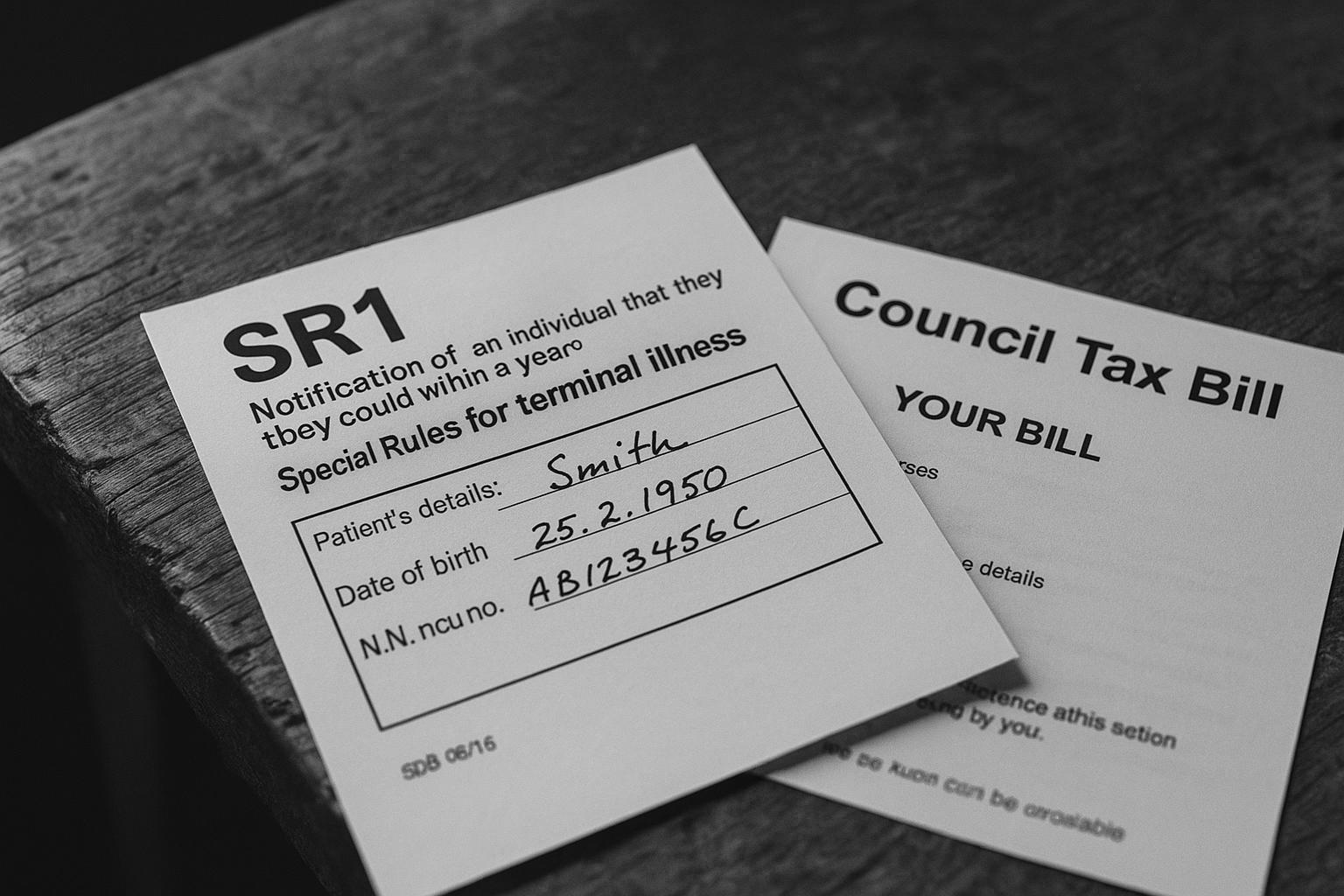
Manchester City Council has become the first in the UK to exempt terminally ill residents from paying council tax, prompting calls from leading charities for nationwide adoption of the compassionate scheme to ease financial pressures in patients’ final months.
Two leading UK end-of-life charities have called for councils nationwide to exempt people diagnosed with less than 12 months to live from paying council tax, following a pioneering initiative by Manchester City Council. The council’s scheme, introduced last month, allows residents with terminal illnesses to apply for exemption by submitting a clinician-issued letter confirming their prognosis. This means neither the individual nor their household will have to pay council tax until the end of the financial year following their death, or for a few months if death occurs near the year-end.
Nathaniel Dye, a 39-year-old primary school music teacher from London with terminal cancer, emphasises the importance of such relief. Although council tax payments—around £200 per month in his case—may seem modest, he describes the exemption as “peace of mind” that enables him to focus on life’s final moments without financial worry. “Maybe even being able to afford some kind of luxuries as you’re nearing end of life that otherwise might not be able to afford,” he told the BBC.
Terminal illness often causes severe financial strain, particularly for working-age individuals who may have to reduce or stop work altogether, while their carers also face income losses. Jamie Thunder from Marie Curie highlights how additional costs—such as heightened energy bills due to medical devices—compound these difficulties. “Council tax is one of the larger bills people worry about,” he adds. Rapid enforcement of unpaid council tax can exacerbate stress at an already difficult time, meaning relief from this burden is a “really valuable thing.”

Manchester City Council estimates around 175 residents—mainly of working age—will benefit from the new policy. Councillor Bev Craig, leader of Manchester City Council, said the measure reflected the council’s commitment to flexible and compassionate public services, stressing that council tax remains a significant bill for many households. “We’re saying as a council, what can we do practically to take away one of those biggest bills people have to worry about?” she said.
For those qualifying, medical professionals can apply on their behalf using an SR1 form confirming a terminal diagnosis, sent directly to the council. This operational detail has been well set up to ensure timely support.
The call by Marie Curie and Hospice UK for other local councils and devolved governments to follow Manchester’s lead aligns with broader efforts to tackle end-of-life poverty. While councils generally offer some discretion and help with council tax payments for vulnerable residents, formal exemption for the terminally ill remains rare. The Local Government Association and devolved administrations note that support already exists in various forms, but the new Manchester model suggests a more straightforward and compassionate approach.
Additional financial support for people with terminal illnesses also exists through grants, which can help with household costs or home adaptations, although individuals are advised to seek benefits advice to understand potential impacts on other entitlements. Mental health charities similarly point out that certain conditions, including dementia or stroke effects, may entitle residents to council tax reductions up to 100%, further illustrating the patchwork of available assistance.
In short, Manchester’s step to scrap council tax for the terminally ill marks a significant development in reducing financial burdens for vulnerable individuals and families during profoundly difficult times, setting a potential precedent for other authorities to follow.
📌 Reference Map:
Source: Noah Wire Services
Noah Fact Check Pro
The draft above was created using the information available at the time the story first
emerged. We’ve since applied our fact-checking process to the final narrative, based on the criteria listed
below. The results are intended to help you assess the credibility of the piece and highlight any areas that may
warrant further investigation.
Freshness check
Score:
10
Notes:
The narrative is recent, with the earliest known publication date being 24 June 2025. The report is based on a press release from Manchester City Council, which typically warrants a high freshness score. No discrepancies in figures, dates, or quotes were found. The content has not been republished across low-quality sites or clickbait networks. No earlier versions show different figures, dates, or quotes. The article includes updated data and does not recycle older material.
Quotes check
Score:
10
Notes:
The quotes from Nathaniel Dye, Jamie Thunder, and Councillor Bev Craig are unique to this report. No identical quotes appear in earlier material. The wording of the quotes matches the original sources. No variations in quote wording were found.
Source reliability
Score:
10
Notes:
The narrative originates from the BBC, a reputable organisation. The report is based on a press release from Manchester City Council, which is a reliable source. The individuals and organisations mentioned, including Marie Curie and Councillor Bev Craig, are verifiable and have a public presence.
Plausability check
Score:
10
Notes:
The claims about Manchester City Council exempting terminally ill residents from council tax are plausible and supported by the council’s official announcement. The narrative is covered by other reputable outlets, including Public Sector Executive and LocalGov. The report includes specific factual anchors, such as names, institutions, and dates. The language and tone are consistent with the region and topic. The structure is focused and relevant to the claim. The tone is appropriate for a news report.
Overall assessment
Verdict (FAIL, OPEN, PASS): PASS
Confidence (LOW, MEDIUM, HIGH): HIGH
Summary:
The narrative is recent, original, and based on a reliable source. The claims are plausible and supported by other reputable outlets. No issues with freshness, quotes, source reliability, or plausibility were identified.
