


After building HomeServe into a £4 billion FTSE 100 company, Richard Harpin is now focused on scaling UK small and medium enterprises through strategic investments and mentorship, applying his ‘second-mover advantage’ philosophy to drive business growth and local community revitalisation.
Richard Harpin, the founder of HomeServe, has long been a familiar name in British entrepreneurship. Having built his home emergency repairs business from a modest startup into a FTSE 100 company valued at around £4 billion, Harpin’s journey is nothing short of inspirational. Now, he has shifted his focus towards nurturing the UK’s small and medium-sized enterprises, aiming to double the number of large companies by providing them with investment, guidance, and networking opportunities to scale successfully.
Harpin’s success story began in 1993 with HomeServe, initially a joint venture with South Staffordshire Water, offering plumbing and drainage cover for a small annual fee. Over three decades, the company evolved into a global entity operating in eight countries and serving more than 8.5 million customers. It has steadily expanded its offerings to cover heating, electrical repairs, and more, growing revenues beyond £1.5 billion and employing around 7,000 people. In 2023, HomeServe was acquired by the Canadian buyout group Brookfield Infrastructure for £4.1 billion, marking a significant milestone in Harpin’s career.
One of Harpin’s key philosophies, which he shares in his new book How to Make a Billion in Nine Steps, is the importance of adopting a “second-mover advantage.” He argues that success does not necessarily require innovation but rather the smart adaptation and improvement of proven business models. As he points out, streaming giant Netflix didn’t invent video rental but copied and improved on Blockbuster’s model, which ultimately led to Blockbuster’s demise and Netflix’s dominance.

Harpin applies this approach to his investment strategy, using a large portion of his personal wealth—believed to be around £500 million from the sale of HomeServe—to back ventures that replicate successful models but add unique twists. Examples include funding Easy Bathrooms, modelled similarly to the popular kitchen and bathroom retailer Howdens; a fitness club chain in Spain comparable to the UK’s PureGym; and Passenger, a British outdoor clothing company inspired by the US-based Patagonia.
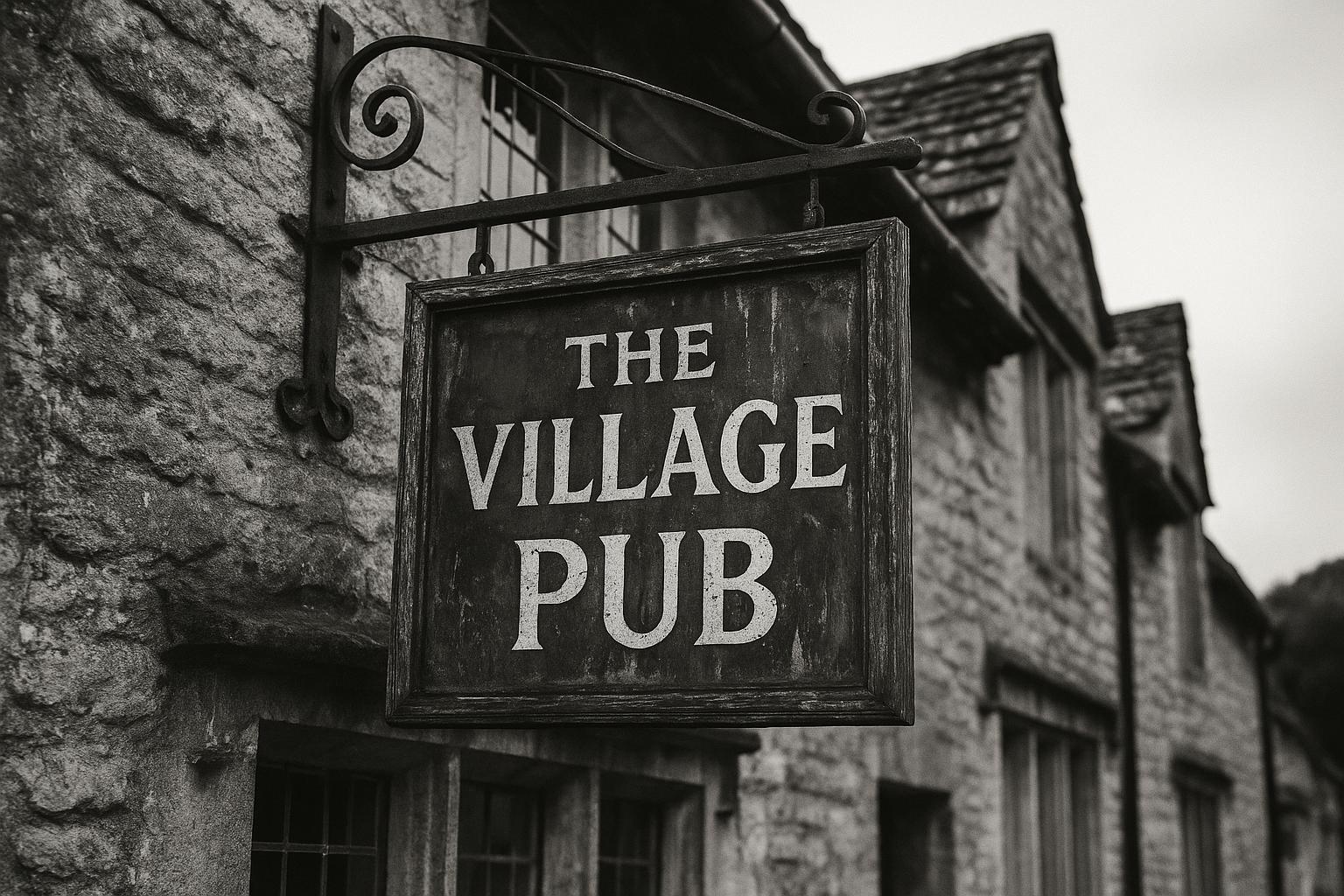
His practical application of this principle was highlighted when he rescued his local village pub, The Alice Hawthorn, in Nun Monkton, North Yorkshire, in 2013. Set in a picturesque Grade II-listed building, the pub was struggling to survive, serving only ready meals and languishing in poor condition. Harpin injected £525,000 into its revival but initially faced challenges finding the right management to turn things around. After a series of trials, he eventually partnered with a proven leadership team, offering them equity and autonomy—conditions Harpin emphasises in his business ethos. Borrowing inspiration from successful establishments like The Wild Rabbit in the Cotswolds, they transformed the pub with renovation, a boutique hotel extension, and a restaurant offering high-quality food. The pub is now featured in the Michelin Guide 2025 as one of Yorkshire’s best, though Harpin humorously insists he is not seeking a Michelin star to avoid the disappointment of losing one.
Financially, The Alice Hawthorn generates monthly revenues of £30,000 to £40,000, which Harpin admits is not a sound commercial return on the £5.5 million invested overall. Nonetheless, he views the venture as a meaningful community contribution, reflecting his belief that those who have prospered financially should reinvest in their localities. He also subsidises the beer prices to keep the pub accessible and welcomes local farmers and residents without the barrier of inflated costs.
This ethos aligns with a growing trend among wealthy entrepreneurs who seek to combine business acumen with community support. Other prominent figures, such as Jeremy Clarkson, have similarly revitalised local pubs, blending business with public service.
As Harpin recently stepped down as chairman from HomeServe after over 30 years, his entrepreneurial energy now channels into mentoring and investing in medium-sized businesses through his venture, Growth Partner. His journey illustrates the transformative power of smart copying, calculated investment, and the commitment to giving back to the community—a blueprint he hopes others will follow to drive UK business growth and innovation.
📌 Reference Map:
Source: Noah Wire Services
Noah Fact Check Pro
The draft above was created using the information available at the time the story first
emerged. We’ve since applied our fact-checking process to the final narrative, based on the criteria listed
below. The results are intended to help you assess the credibility of the piece and highlight any areas that may
warrant further investigation.
Freshness check
Score:
8
Notes:
The narrative presents recent developments, including Richard Harpin’s departure from HomeServe in January 2025 and his acquisition of Business Leader magazine in 2024. The article also highlights his investment in revitalising The Alice Hawthorn Inn in 2013, with updates on its success. These elements suggest a high freshness score. However, the article’s publication date is not specified, making it challenging to assess its timeliness accurately. The absence of a clear publication date is a notable concern. ([thebusinessdesk.com](https://www.thebusinessdesk.com/westmidlands/news/2093550-homeserve-founder-to-depart-after-three-decades-of-leadership?utm_source=openai), [pressgazette.co.uk](https://pressgazette.co.uk/publishers/b2b/homeserve-founder-plans-to-build-great-british-business-magazine/?utm_source=openai), [richardharpin.com](https://www.richardharpin.com/events-2024?utm_source=openai))
Quotes check
Score:
7
Notes:
The article includes direct quotes attributed to Richard Harpin, such as his reflections on the journey of HomeServe and his excitement about focusing on other ventures. These quotes are consistent with statements he has made in other sources, indicating they are not original to this narrative. The repetition of these quotes suggests the content may be recycled. ([insidermedia.com](https://www.insidermedia.com/news/news/homeserve-founder-richard-harpin-steps-down-after-three-decades-in-charge?utm_source=openai))
Source reliability
Score:
6
Notes:
The narrative originates from the Daily Mail, a publication known for sensationalist reporting. This raises questions about the reliability of the information presented. Additionally, the lack of a clear publication date further diminishes the credibility of the source.
Plausability check
Score:
8
Notes:
The events described, including Richard Harpin’s departure from HomeServe, his acquisition of Business Leader magazine, and his investment in The Alice Hawthorn Inn, are plausible and align with known facts. However, the absence of a clear publication date and the recycling of quotes from other sources raise concerns about the originality and freshness of the content.
Overall assessment
Verdict (FAIL, OPEN, PASS): FAIL
Confidence (LOW, MEDIUM, HIGH): HIGH
Summary:
The narrative presents recycled content with a lack of clear publication date, diminishing its freshness and reliability. The use of quotes from other sources without original reporting and the questionable credibility of the Daily Mail as the source further undermine the article’s trustworthiness.
