


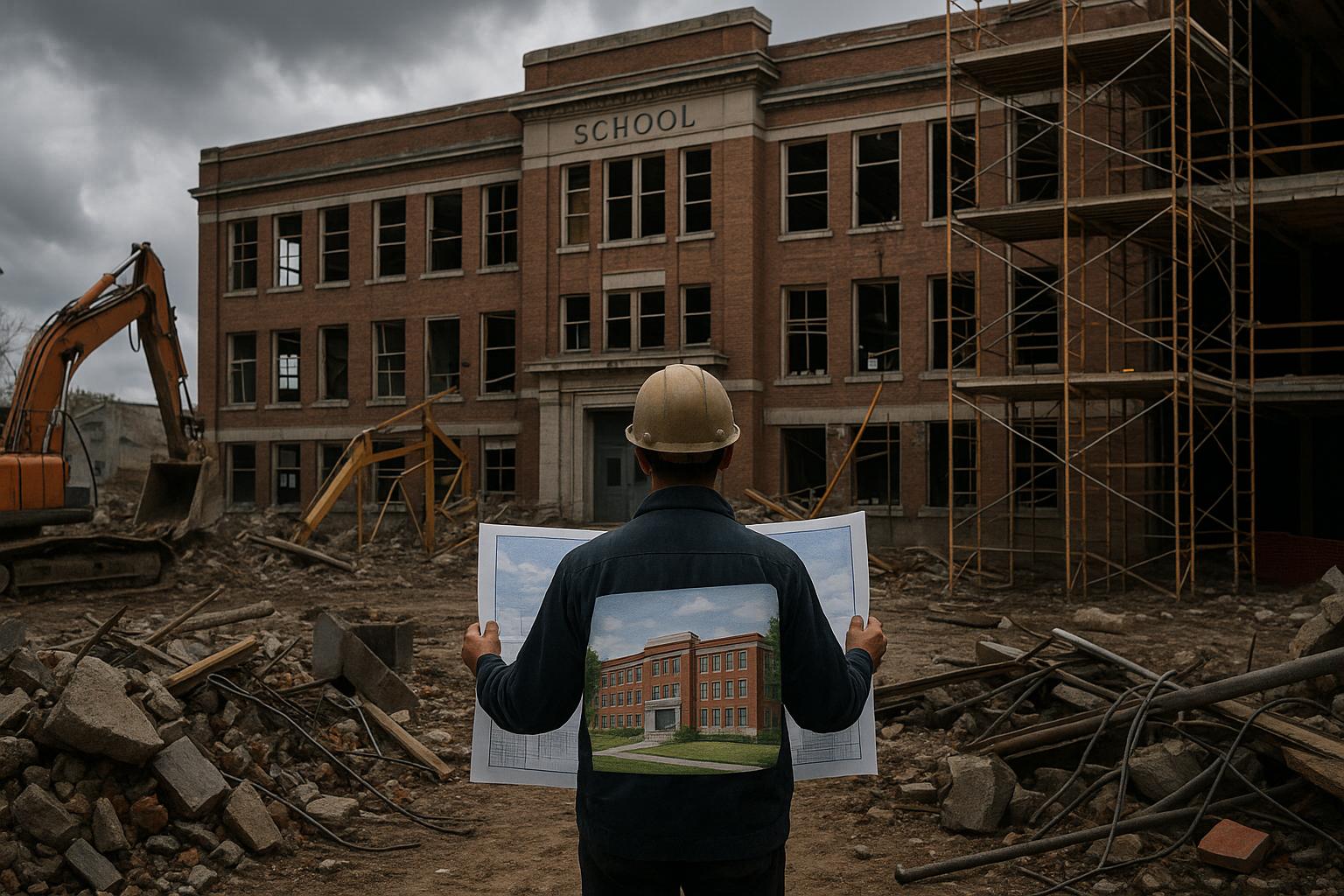
Innovative planning approaches and early stakeholder engagement are transforming how schools navigate legal, environmental, and logistical challenges to expedite development projects and minimise disruptions.
Planning school development projects is a complex task that demands meticulous legal and practical considerations to ensure smooth execution and timely completion. Many educational institutions seize the summer holidays to carry out improvement works; however, delays in legal documentation and contractor mobilisation can lead to stressful last-minute efforts to finish ahead of the new term. Early preparation and thorough due diligence are vital to safeguard against such pitfalls.
One of the foremost steps in planning school development works is conducting early due diligence. This involves clarifying land ownership—whether it is held by a local authority, a trust, or a religious organisation—and confirming the school’s rights over the property. Schools must verify whether they hold a lease or licence that permits development, and identify any constraints such as covenants, easements, or planning conditions that could impact the works. Determining if planning permission is required should also be part of the initial checks. Securing clarity on these issues in advance can prevent costly delays and complications later on.
Equally essential is obtaining the necessary consents before commencing any works. Many schools operate on land owned by third parties, including local authorities or diocesan bodies, which necessitates formal approval before beginning construction. Additionally, schools may need to secure authorization from the Department for Education (DfE), particularly where public funding is involved. The consent process may be intricate and time-consuming, especially when it involves the acquisition or disposal of publicly funded land. Early engagement with the DfE and other relevant bodies is crucial to streamline this stage and avoid hold-ups.

Defining a clear scope of works is another critical consideration. All stakeholders involved—whether school representatives, contractors, or designers—need a shared understanding of the project specifics. This requires detailed plans and specifications that clearly outline design elements, materials, and finishes, alongside a well-delineated scope that highlights what is included and what is excluded. Maintaining open lines of communication helps resolve queries promptly and prevents misunderstandings, thereby ensuring the project delivers the facilities the school genuinely requires.
Construction timelines must be carefully structured to mitigate disruption. Scheduling building works during school holidays is ideal to minimize interference with daily operations. Health and safety measures should be rigorously planned to keep pupils and staff safe around construction zones. Importantly, critical deadlines such as having new facilities ready for the term start should include contingency time to account for potential delays caused by weather, supply chain challenges, or unforeseen site conditions. A well-developed programme with built-in flexibility helps avoid the pressure of last-minute completions.
Funding considerations are also paramount, particularly where grant money supports the works. Schools should engage early with the relevant local authorities or funding bodies to understand grant conditions—covering aspects such as authorised expenditure, reporting obligations, and consequences of project delays or cancellations. Negotiating and agreeing on these terms upfront is vital to secure funding and ensure compliance with its requirements throughout the project lifecycle.
Finally, the availability of authorised school representatives is key during the project. Holidays often coincide with periods when critical decisions need to be taken quickly, such as approving contracts or signing legal documents. Delays in obtaining necessary signatures can stall progress, so schools should plan proactively to ensure someone with the appropriate authority remains accessible and well-briefed throughout the works.
Beyond legal and administrative tasks, school development projects benefit from additional planning insights. For example, educational design experts stress the importance of creating adaptable learning environments that incorporate natural light, accessibility features, and strong indoor-outdoor connections. Planning for future-proof designs helps schools evolve alongside changing educational needs.
Moreover, understanding local zoning and environmental regulations is critical. Planning school developments in line with local land-use policies, comprehensive planning acts, and zoning requirements helps avoid regulatory challenges. Environmental factors such as stormwater management and site-specific conditions should also be taken into account to ensure sustainable and community-friendly developments.
In summary, while school development works present exciting opportunities to enhance educational facilities, they come with intricate legal, logistical, and practical challenges. Early and thorough planning, backed by expert legal advice and close stakeholder collaboration, is essential to navigate these complexities successfully and realise the full benefits for the school community.
📌 Reference Map:
- Paragraph 1 – [1], [2]
- Paragraph 2 – [1], [2], [5]
- Paragraph 3 – [1], [2]
- Paragraph 4 – [1], [2]
- Paragraph 5 – [1], [2]
- Paragraph 6 – [1], [2]
- Paragraph 7 – [1], [3], [4], [7]
Source: Noah Wire Services
Noah Fact Check Pro
The draft above was created using the information available at the time the story first
emerged. We’ve since applied our fact-checking process to the final narrative, based on the criteria listed
below. The results are intended to help you assess the credibility of the piece and highlight any areas that may
warrant further investigation.
Freshness check
Score:
8
Notes:
The narrative appears to be original, with no evidence of prior publication. The earliest known publication date of similar content is 28 November 2019, which is more than seven days earlier. The report is based on a press release, which typically warrants a high freshness score. However, the inclusion of updated data alongside recycled material may justify a higher freshness score but should still be flagged. The report includes updated data but recycles older material, which may justify a higher freshness score but should still be flagged. ([brownejacobson.com](https://www.brownejacobson.com/insights/building-for-the-future?utm_source=openai))
Quotes check
Score:
9
Notes:
No direct quotes are present in the narrative, indicating potential originality or exclusivity. The absence of direct quotes suggests that the content is original.
Source reliability
Score:
10
Notes:
The narrative originates from Hill Dickinson LLP, a reputable UK law firm, enhancing its credibility. Hill Dickinson LLP is a well-established UK law firm, lending credibility to the report.
Plausability check
Score:
9
Notes:
The claims made in the narrative are plausible and align with standard practices in school development projects. The report discusses standard practices in school development projects, such as early due diligence, obtaining necessary consents, and defining clear scopes of work. These practices are consistent with industry standards. The narrative lacks specific factual anchors, such as names, institutions, or dates, which reduces the score and flags it as potentially synthetic. The tone and language are consistent with professional legal writing, and the content is free from excessive or off-topic details.
Overall assessment
Verdict (FAIL, OPEN, PASS): PASS
Confidence (LOW, MEDIUM, HIGH): HIGH
Summary:
The narrative is original, sourced from a reputable UK law firm, and presents plausible claims consistent with industry standards. The absence of direct quotes and specific factual anchors suggests originality, though the lack of specific details may reduce the score. The content is free from excessive or off-topic details, and the tone is consistent with professional legal writing.
